
Skip to content
MidlandsHome Generators

Columbia & the SC Midlands

Keep your home powered. Even when the neighborhood goes dark.

Whole-home and standby generator installation for homeowners in Columbia, Lexington, Irmo, Chapin, Newberry and across the Midlands of South Carolina. When the grid goes down, your home switches to backup power automatically — whether you’re there or not.

Installed by Cagen ElectricCertified Master Electrician5.0-Star Google Rating(opens Cagen Electric’s Google reviews in a new tab)
  • Permanently installed standby systems
  • Whole-home or essential-circuit coverage
  • Careful sizing, professional installation and system testing
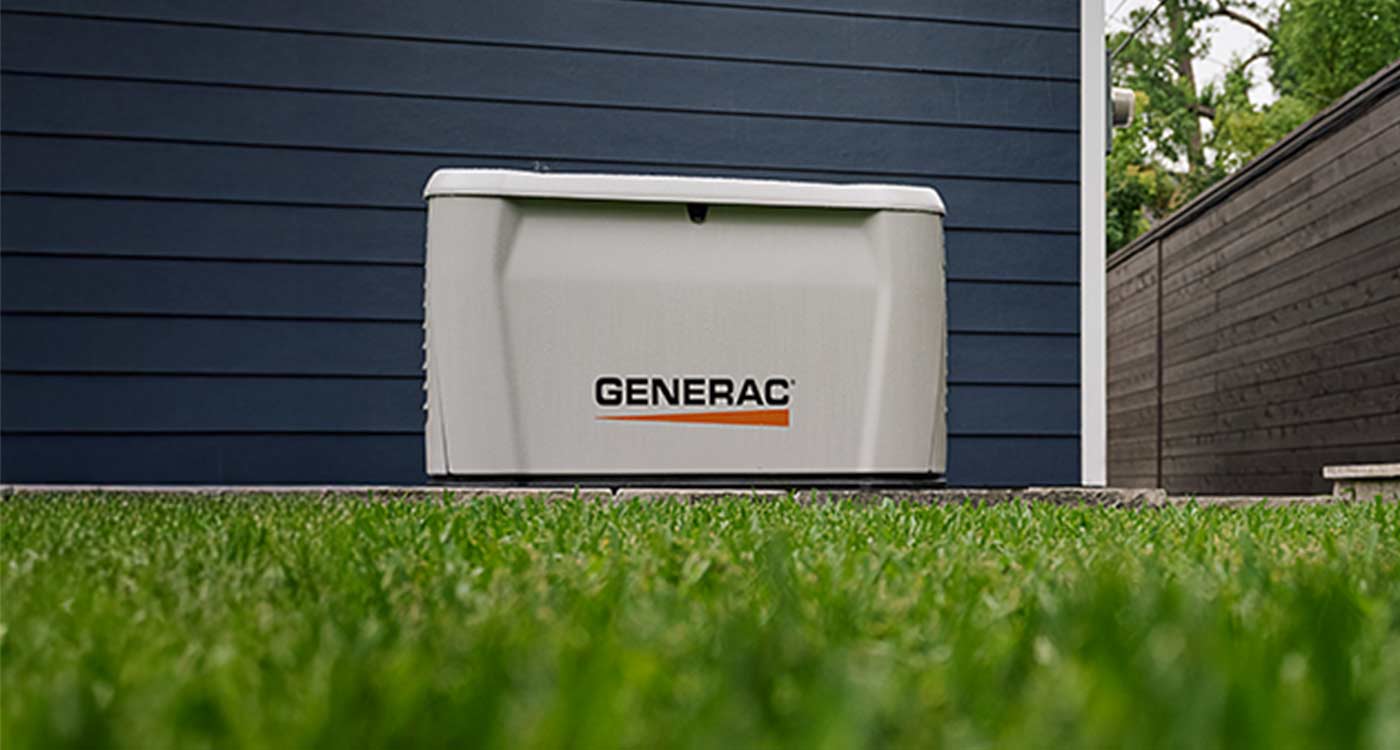
Home standby generator installed on a pad against a home's dark blue siding

Utility out. Home on backup.
Switches over automatically, typically within seconds.

Why backup power matters

An outage isn’t just the lights going out.

Summer thunderstorms, tropical systems moving inland and the occasional ice storm all reach the Midlands. Most outages are short. Some aren’t — and those are the ones that disrupt everything your home quietly does for you.

A standby generator isn’t about expecting the worst. It’s about knowing that when the power goes out, your household keeps running — and you don’t have to think about it.

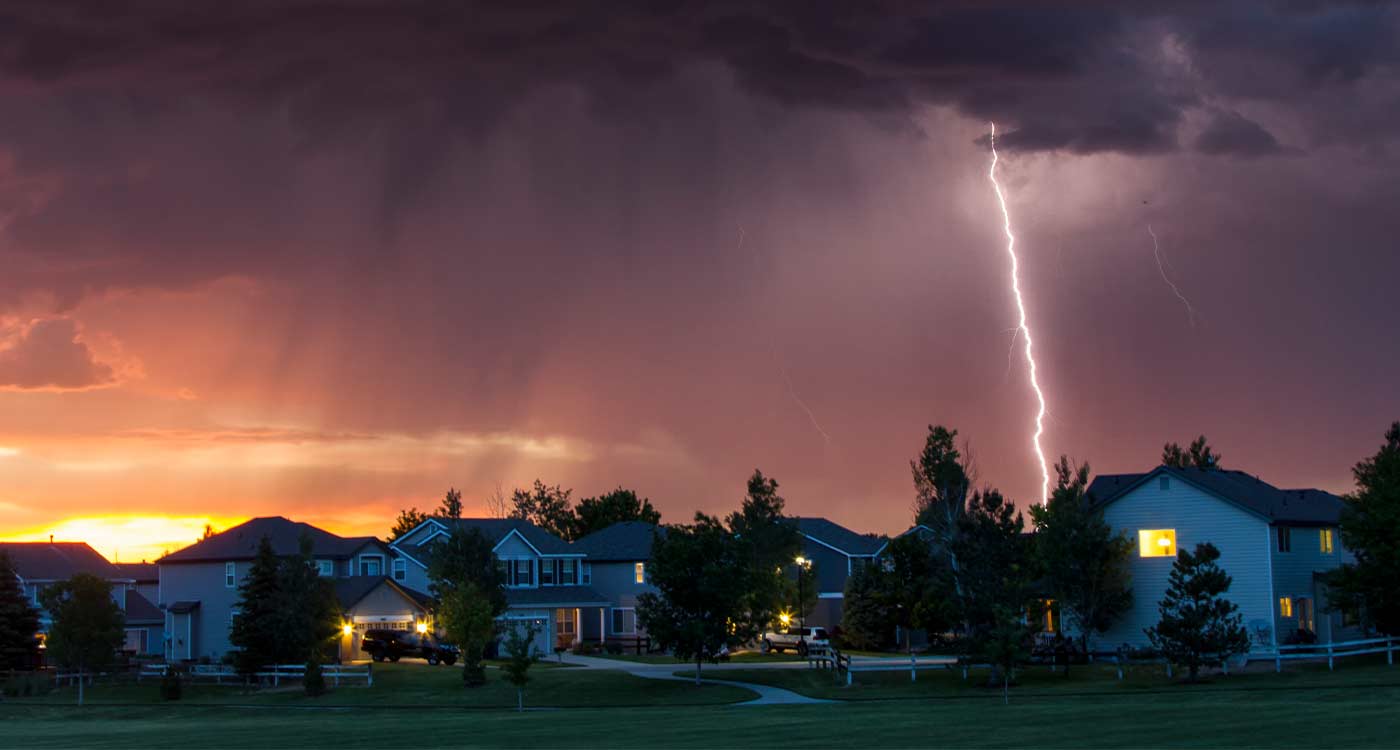
Lightning strikes beyond a suburban neighborhood under dark storm clouds at dusk
  • Refrigerators & freezers

    USDA guidance is that a closed refrigerator keeps food safe for about four hours without power. After that, a week of groceries — and anything in the chest freezer — becomes a judgment call.

  • Heating & air conditioning

    A Midlands summer afternoon without AC gets uncomfortable fast, especially for young children, older family members and pets. In winter, most furnaces and heat pumps need electricity to run.

  • Medical equipment

    Oxygen concentrators, CPAP machines, powered lifts and refrigerated medications don’t pause for an outage. Backup power gives you time and options instead of a scramble.

  • Your home office

    If you work from home, an outage means no internet, no monitors and no calls. Keeping the router and workstation powered keeps your workday on track.

  • Security, wells & sump pumps

    Cameras, alarm systems, well pumps and sump pumps protect your home in the background — and many of them stop the moment the power does.

  • Everyday life

    Lights after dark. A hot shower. Phones charged. The garage door that opens. Being able to stay home, rather than packing up for a hotel or a relative’s couch.

Choosing your coverage

Whole-home or essential circuits: two ways to back up your home.

There’s no single right answer. It depends on your home, how you live and what you want to keep running. Here’s the plain-English difference.

Open kitchen and living room with the lights, refrigerator and TV all on
With whole-home coverage, the kitchen, lights and living spaces keep working through an outage.

Option one

Whole-home backup

A generator sized to run most or all of your home — central air, kitchen, laundry, lighting and outlets — so daily life carries on almost as normal.

Typically covers

  • Central AC and heat on every floor
  • Every room, every outlet, no choosing
  • Best fit for longer outages, larger homes or anyone at home full-time

Worth knowing: A larger generator and transfer switch, so a higher investment. Load-management equipment can help a right-sized unit handle big appliances without oversizing.
Option two

Essential-circuit backup

A smaller system wired to the circuits you can’t do without. You decide in advance what stays on when the grid goes down.

Typically covers

  • Refrigerator, freezer and select lighting
  • Furnace blower, well pump, sump pump, medical equipment
  • Internet, home office and a few key outlets

Worth knowing: Lower equipment cost, but anything not on the chosen circuits stays off — including, usually, central air.

Not sure which fits? That’s exactly what the consultation is for. Your installer will look at your electrical panel, your major appliances and your priorities, then recommend a size and coverage approach that makes sense for your home.

Get Your Free Generator Consultation (opens in a new tab)

How standby generators work

Automatic. Even when you’re not home.

A standby generator is permanently installed outside your home, like a central air unit, and connected to your fuel supply and electrical system. There are no cords to run and nothing to start by hand.

  1. 01

    The utility power fails

    A storm takes down a line or a transformer trips. Your home goes dark — for a moment.

  2. 02

    The transfer switch detects it

    An automatic transfer switch, installed next to your electrical panel, continuously monitors incoming utility power. When it drops out, it signals the generator to start.

  3. 03

    Your generator takes over

    The generator starts on natural gas or propane and, once it’s running steadily, the switch moves your home’s circuits onto generator power — typically within seconds.

  4. 04

    Utility power returns

    When the grid is stable again, the switch moves your home back to utility power, and the generator runs briefly to cool down before shutting itself off.

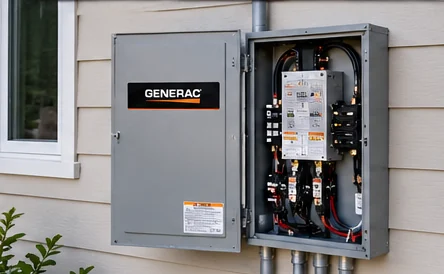
Open automatic transfer switch mounted on the exterior wall of a home
The automatic transfer switch: the part of the system that senses an outage and safely moves your home between utility and generator power.

Self-testing

Most standby units run a short, scheduled exercise cycle so problems show up before an outage, not during one.

Steady fuel supply

Natural gas from your utility line, or propane from an on-site tank — no gas cans to fill during a storm.

Safer than portables

Installed outdoors with proper clearances and a transfer switch that keeps generator power from back-feeding utility lines.

Our installation process

From first conversation to first outage, handled.

Every installation is carried out by our installation partner, Cagen Electric, an electrical contractor serving South Carolina's Midlands. Here’s what to expect.

Get Your Free Generator Consultation (opens in a new tab)
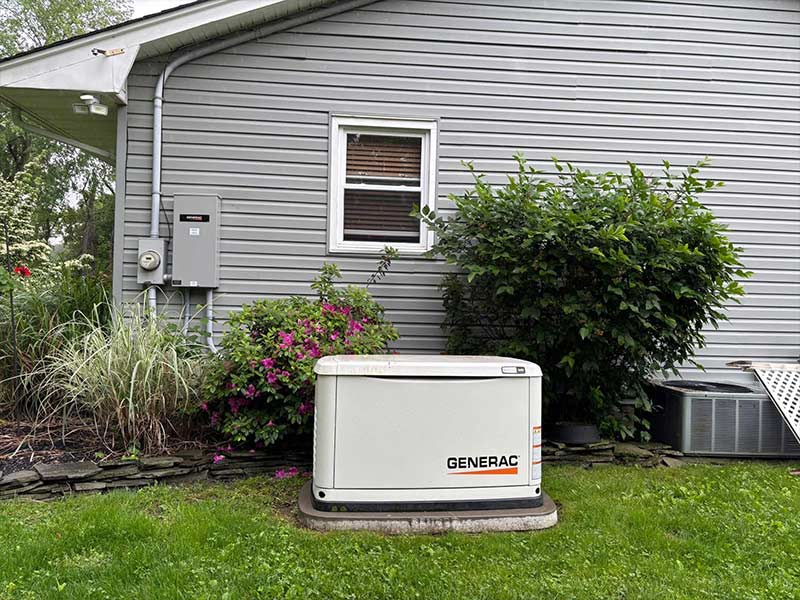
Standby generator on a concrete pad beside a home, with a transfer switch mounted next to the electric meter
An example of a finished installation: generator on its pad, transfer switch beside the meter, wiring run neatly along the wall.
  1. 01

    Consultation

    Start with a short online request. Then talk through your home, your priorities and the outages you’ve dealt with before.

  2. 02

    Sizing

    Your installer reviews your electrical panel, major appliances and fuel options to work out how much power your home actually needs.

  3. 03

    Equipment selection

    You get a clear recommendation on generator size, transfer switch and coverage — whole-home or essential circuits — with the reasoning explained.

  4. 04

    Installation

    The pad, generator, transfer switch, wiring and fuel connection are installed. Permits and inspections are typically part of the process for your address.

  5. 05

    Testing

    The system is started, loaded and put through a simulated outage to confirm it detects the loss of power and transfers correctly.

  6. 06

    Homeowner orientation

    Before anyone leaves, you’ll be walked through how your system works, what the status indicators mean and what routine maintenance looks like.

Meet your installer

Backup power installed by a local master electrician.

Every Midlands Home Generators installation is handled by Cagen Electric, LLC, a full-service electrical contractor based in Prosperity, South Carolina and led by owner Spencer Cagen, a Certified Master Electrician.

A standby generator connects directly to your home’s electrical system. It deserves the same care as any other major electrical work, and that’s the standard Spencer and his team bring to every job.

  • Certified Master Electrician
  • Full-service electrical contractor
  • 12+ years of electrical experience
Learn more about Cagen Electric (opens in a new tab)
  • Residential electrical experience

    12+ years of electrical work, from service and panel upgrades to new construction and renovations.

  • Proper generator & transfer switch installation

    Your generator, transfer switch and connections are installed by a team led by a Certified Master Electrician.

  • Careful sizing & load planning

    Recommendations start with your electrical panel and the loads you actually want to keep running.

  • Professional workmanship

    Customers regularly mention professional, clean work that’s done quickly and the right way.

  • Clear communication

    Customers highlight how clearly Spencer and his team explain the work, from the first conversation to the finished job.

  • Local across the Midlands

    Based in Prosperity, SC, and serving Chapin, Irmo, Lexington, Columbia and surrounding communities.

Kohler generator installation · Chapin, SC
“Spencer and Vinny from Cagen Electric did an amazing job installing a Kohler generator at my home in Chapin, SC. They were professional, efficient, clean, and consistent throughout the entire installation. The work was done quickly and explained the whole process, and I couldn’t be happier with the results. Highly recommend Spencer, Vinny, and Cagen Electric!”
Anthony Arena

Google review ·

  • Electrical panel upgrade · Irmo area

    “Had a great experience with Cagen Electric. Spencer and Vinny did an electrical panel upgrade for me and made the whole process easy from start to finish. They were professional, knowledgeable, and took the time to make sure everything was done right. Pricing was fair and reasonable, especially for the quality of work. Everything was left clean when they finished as well. Definitely recommend Cagen Electric if you need electrical work done in the Irmo area.”
    Carmine Rainone

    Google review ·

  • “Had a great experience with Cagen Electric. Spencer was a pleasure to work with; very professional, knowledgeable, and got everything done quickly and the right way. He was easy to communicate with and made the whole process simple. Definitely recommend Spencer and Cagen Electric if you need any electrical work done.”
    Zachary Crockett

    Google review ·

  • “Spencer and his team at Cagen Electric were very professional, easy to work with, responded quickly and knew what they were doing. Excellent experience from start to finish, I definitely would recommend if you have any electrical work needing to be done right. I will be working with these guys again in the future.”
    Anthony Grover

    Google review ·

Reviews are from Cagen Electric’s Google Business Profile, shown as written by customers. Read more reviews on Google (opens in a new tab)

Local service area

Serving Columbia and the surrounding Midlands.

From in-town neighborhoods to lake homes and rural properties, standby generator installation is available for homeowners across the greater Columbia area.

Don’t see your town? Nearby Midlands communities may also be covered. Share your address in your consultation request and availability for your home will be confirmed.

Columbia, SC

Including Forest Acres & nearby neighborhoods

  • Lexington, SC

    Lexington & the Lake Murray side

  • Irmo, SC

    Irmo, Harbison & Seven Oaks areas

  • Chapin, SC

    Chapin & surrounding lake communities

  • Newberry, SC

    Newberry & nearby rural properties

Frequently asked questions

Straight answers before you buy.

The questions homeowners ask most often when they start looking at standby generators.

How much does a home standby generator cost?

It depends on your home. The biggest factors are the generator's size, whether you choose whole-home or essential-circuit coverage, the type of transfer switch, the distance from the generator to your electrical panel and fuel source, any gas line or propane tank work, and local permit requirements. Because those vary so much from house to house, an accurate price comes from looking at your specific home, which is what the free consultation is for.

What size generator do I need?

Generators are rated in kilowatts (kW), and the right size depends on what you want to run at the same time. Central air conditioning, electric ranges, electric water heaters, well pumps and electric dryers draw the most power. A proper sizing looks at your electrical panel and major appliances rather than square footage alone. Load-management equipment can also let a right-sized generator handle large appliances without paying for a much bigger unit.

Should my generator run on natural gas or propane?

If your home already has natural gas service, it is usually the simplest choice: fuel comes from the utility line and never needs refilling. If you don't have natural gas, propane is the common alternative, stored in an on-site tank. Propane works well but has a finite supply, so tank size affects how long you can run during an extended outage. Your installer will look at what's available at your property and the gas meter or tank capacity.

How long does installation take?

The on-site work for a typical residential installation is often completed in a day or two. The overall timeline from consultation to a working system is usually longer, because it can include permitting, equipment availability, gas utility or propane coordination, and final inspection. You'll get a realistic timeline for your project during the consultation.

What maintenance does a standby generator need?

Much less than most people expect. Standby generators automatically run a short self-test on a regular schedule so issues show up early. Beyond that, they need periodic service similar to a car engine: oil and filter changes, air filter and spark plug replacement, and a battery check, on the schedule set by the manufacturer. Keeping the area around the unit clear of plants and debris also helps.

Why not just use a portable generator?

Portable generators can be a useful short-term tool, but they work very differently. You have to be home to set one up, refuel it with gasoline, and run extension cords or connect it through an inlet. They must be kept well away from the house because of carbon monoxide risk, and they usually power only a few things. A standby generator is permanently installed, starts automatically through a transfer switch, runs on natural gas or propane, and can power your whole home or your most important circuits, even when you're away.

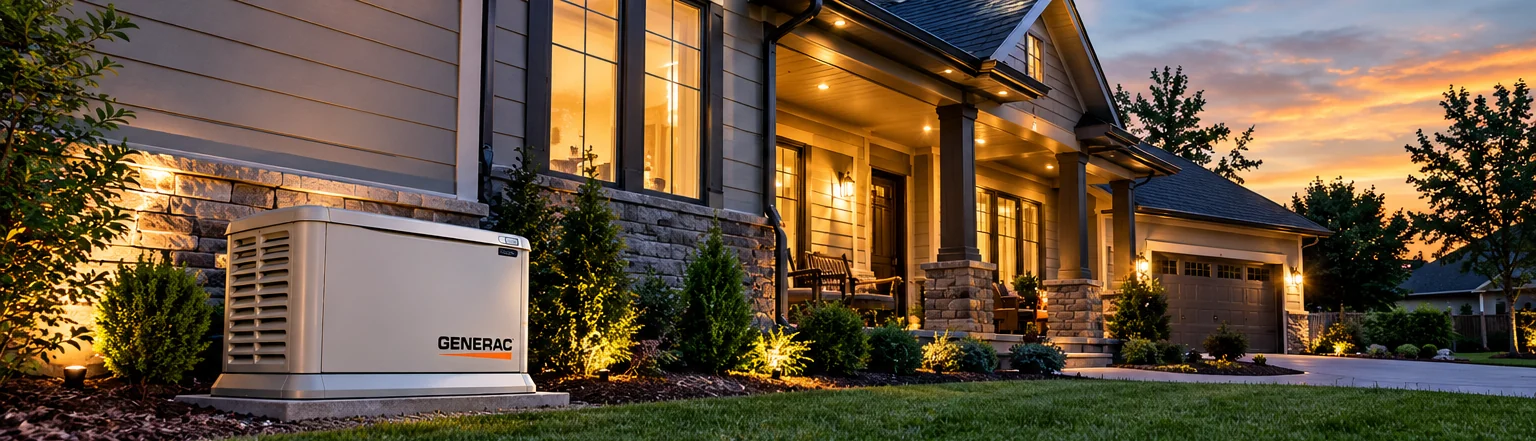
Home glowing with interior and porch lights at dusk, with a standby generator beside the house

Free generator consultation

The next outage is coming. Your home can be ready for it.

Request a free consultation on the right standby generator for your household. It’s the simplest way to find out what it would take to keep your home running through the next storm.

Get Your Free Generator Consultation (opens in a new tab)

Opens our consultation request form, hosted by Typeform, in a new tab.

Prefer to talk it through?

Call Cagen Electric (803) 590-1428
  • Tell us about your home

    A short set of questions about your property and what you want to keep running.

  • Hear from a local installer

    Your request goes to Cagen Electric, who will follow up with you directly.

  • Get straight answers

    Sizing, fuel and coverage options explained, with no decisions needed until you understand them.

Privacy policy

Free Generator Consultation (opens in a new tab)